Floral Skeleton Anatomy SVG
As a designer who’s spent years working with machine embroidery designs, I always start by evaluating a new file with a critical eye. Floral Skeleton Anatomy SVG caught my attention for its unique blend of botanical beauty and macabre intrigue. It’s not the kind of design you’d typically see on a baby onesie or a holiday mug, but that’s what makes it interesting. This is a design that demands context—and when used right, it can elevate a project from ordinary to unforgettable.
The First Impression: A Design That Speaks Volumes
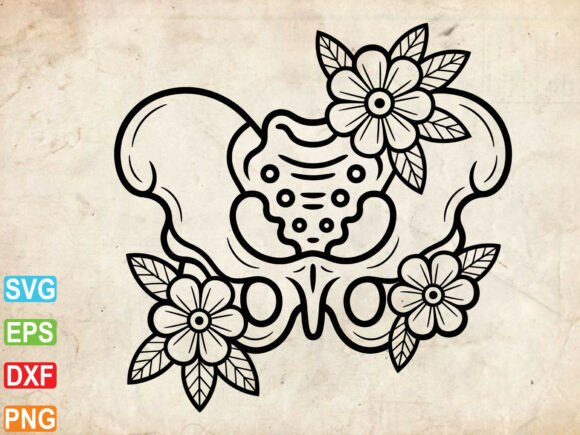
Floral Skeleton Anatomy SVG has a striking visual personality. The interplay between delicate floral elements and skeletal structures creates a mood that’s both elegant and slightly unsettling. It’s a design that feels like it belongs in a curated collection rather than a mass-produced t-shirt. The layout is balanced, with enough detail to keep it visually engaging without overwhelming the eye. It’s clear this was designed with intention, not just aesthetics.
This design would naturally fit into projects that lean into edgy, artistic themes—think custom apparel for alternative fashion, artisanal home decor, or personalized gifts for those who appreciate the unusual. It’s not for everyone, but for the right audience, it could be a standout piece.
Real-World Embroidery Use Cases
When I consider how Floral Skeleton Anatomy SVG would perform in real embroidery situations, I think about the practicalities of stitching. For custom apparel like sweatshirts or tote bags, this design would work well if the fabric is smooth and not too stretchy. The stitch density isn’t overly dense, which means it should embroider cleanly without causing puckering or distortion.
For baby items, I’d be more cautious. While the design is intricate, it might not be the best choice for something that will be washed frequently. The small details could get lost or damaged over time. However, as an embroidered patch or applique design, it could add a unique touch to a child’s jacket or backpack.
On caps or hats, the curved surface could pose a challenge. If the hoop size is too small, parts of the design might not stitch properly. It’s important to test this on a scrap piece of fabric before committing to a full project. Similarly, on thin or textured fabrics, the design may not show up as clearly as expected. A stabilizer would be essential in these cases to prevent shifting or distortion.
Where to Be Cautious
There are a few areas where Floral Skeleton Anatomy SVG might not perform as well. Small hoop sizes could limit the ability to stitch the entire design, especially if it’s spread out across multiple sections. On dark fabrics, the contrast between the thread colors and the background may need careful consideration. Light-colored threads might not stand out enough, while dark threads could clash with the design’s subtle details.
For layered garments or products with curved surfaces, this design might require some adjustment. The corners and edges could look uneven if not properly hooped or stabilized. Tiny lettering or decorative accents might also be difficult to maintain at a consistent quality. It’s worth testing the design on different fabric types and under various conditions before using it in a commercial setting.
Impact on Visual Appeal and Customer Perception
Floral Skeleton Anatomy SVG has the potential to make a strong visual impact. When stitched correctly, it adds a level of sophistication and uniqueness that can set a product apart. For handmade products or personalized gifts, this design could enhance the perceived value and make the item feel more special.
From a customer perspective, the design might raise questions. Some buyers might find it too dark or unconventional for their tastes. Others, however, could see it as a bold statement piece. As an Etsy seller or craft business owner, it’s important to understand your target audience and whether this design aligns with their preferences.
Brand consistency is another factor. If your shop has a specific aesthetic, Floral Skeleton Anatomy SVG might not fit unless it’s part of a broader theme. But for businesses looking to expand their offerings or explore new styles, this design could be a valuable addition to your design assets.
Practical Designer Notes
Before using any embroidery file, including Floral Skeleton Anatomy SVG, I recommend doing a few key tests. Start by stitching it onto scrap fabric to see how the design translates in real life. Check the thread color contrast against different fabric backgrounds. If you’re planning to use it on dark fabric, make sure the thread colors pop without being too harsh.
Review the stitch density to ensure it’s suitable for your project. If the design is too dense, it might cause issues with fabric movement or thread breakage. Confirm the hoop size needed to stitch the entire design without cutting it into sections. Inspect the small details closely—some elements might not hold up well under repeated washing or wear.
Test the design in black and white mockups to see how it looks without color. Compare it on light and dark fabric backgrounds to determine the best presentation. Use proper stabilizer for tricky fabrics, and always check the licensing terms before selling finished products or digital files.
Final Thoughts: A Design With Purpose
Floral Skeleton Anatomy SVG is not a one-size-fits-all design. It requires thoughtful application and a clear understanding of its strengths and limitations. But for the right project, it can be a powerful tool that adds depth, character, and creativity to your work.
If you're an embroidery designer, small business owner, or craft entrepreneur looking for something that stands out, this design could be worth exploring. Just remember to approach it with the same care and attention you’d give any other embroidery file. With the right execution, Floral Skeleton Anatomy SVG could become a highlight of your next project.